
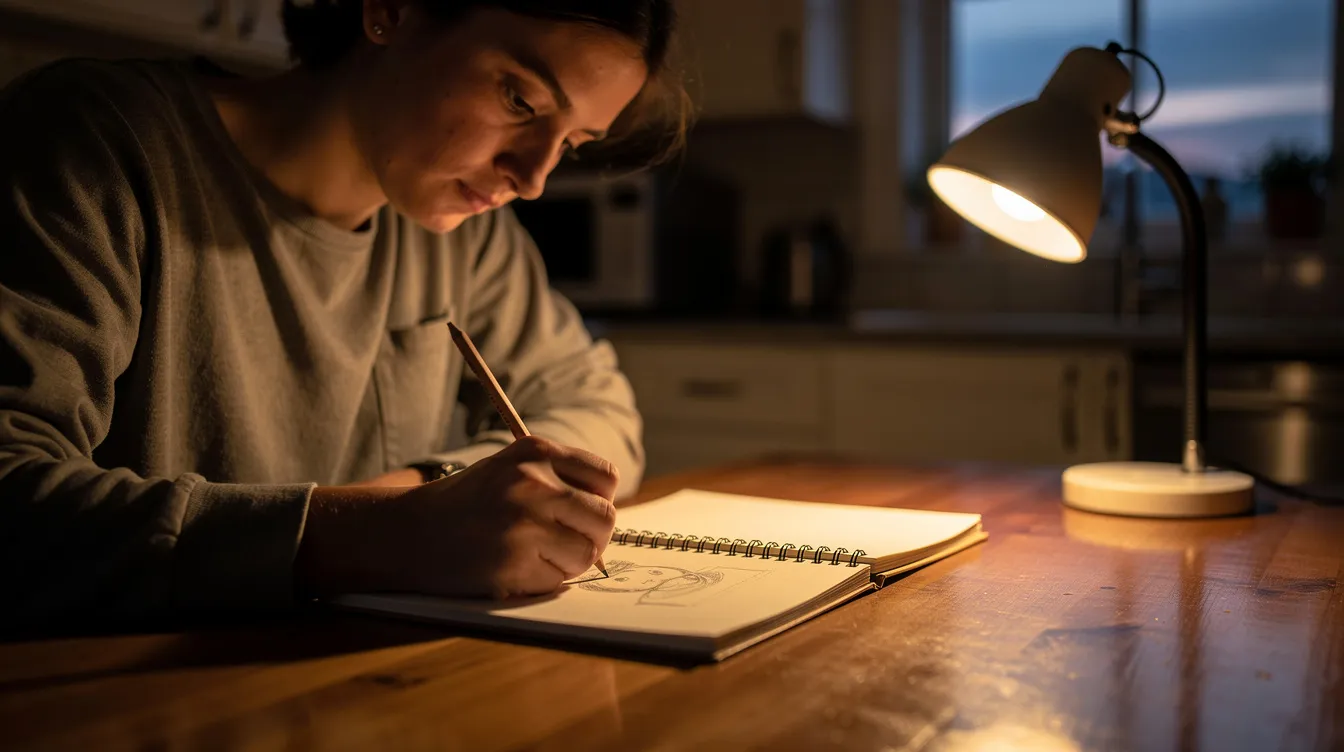
If you have a full-time job, no art background, and about forty minutes of usable brain left after dinner, this post is for you. I kept the books for a freight company for twenty years and picked up a pencil at 44, the fall my daughter left for college. I am not an expert. I am a learner with a day job, a tired body by eight o’clock, and a kitchen table that doubles as a studio.
After two years of drawing most evenings, I can tell you that self-teaching is a viable route for learning to draw, and that drawing can be mastered at any age with practice. The trouble is choosing where to start. YouTube has numerous free drawing tutorials for beginners, and the internet is full of platforms, from Skillshare and Domestika to standalone schools. I spent three weeks watching random videos before I realized I could draw one very nice eye floating on an empty page and nothing else. So I narrowed things down. My three ranked picks for the best online drawing courses for adult beginners in 2026 are: It’s Easy To Draw at number one, Skillshare at number two, and Watts Atelier Online at number three. Are online drawing classes worth it? Yes, if you draw along with the lessons. The video shows the idea, but your hand learns from repetition.
How I Chose the Best Online Drawing Courses for Adult Beginners
I took It’s Easy To Draw myself and worked through the fundamentals course. For the other two, I am going on what the program says it is, on sample materials I tried, and on my own attempts at similar subject matter. I have not taken Watts Atelier Online, and I say that wherever it matters. I paid particular attention to courses that do not assume prior art training.
The world of online courses is wide. Proko offers four online drawing courses for beginners, including a drawing basics course for total beginners, a figure drawing course, and anatomy drawing. Draw a Box includes a free course with a 250 Boxes Challenge that helps beginners learn perspective. New Masters Academy has a 48-hour portrait drawing course. Pencil Kings offers over 70 courses for all skill levels. Vitruvian Studio teaches basic shapes and forms in drawing. The Art Studio NY provides live online art classes. Digital Painting Studio provides professional concept art training online. I looked at many of these before settling on my three.
Core Criteria I Used
-
Structure. Does the course tell you what to do tonight, or leave you to decide? Deciding is where my evenings used to go to die. A structured learning path helps prevent overwhelm for adult learners. I prioritized a clear sequence from basic mark-making and proportions through simple objects.
-
Beginner friendliness. Tone, pacing, and how well each course explains fundamentals without jargon. Some of the best instructors assume you already hold a pencil like an artist, which is fine, just not for week one. A good course normalizes mistakes and encourages exploration rather than perfection. Adults often struggle with self-judgment while learning, and adult learners require encouragement to overcome perfectionism.
-
Practice design and fit with busy adult life. Effective online courses should include actionable drills and structured assignments, and courses should include short, manageable video segments focused on single concepts. Courses for adults should allow flexible learning to accommodate busy lifestyles, and asynchronous pacing is beneficial for adults with busy schedules. Beginner courses should not require extensive or expensive materials initially. Effective courses for beginners require minimal initial supplies.
-
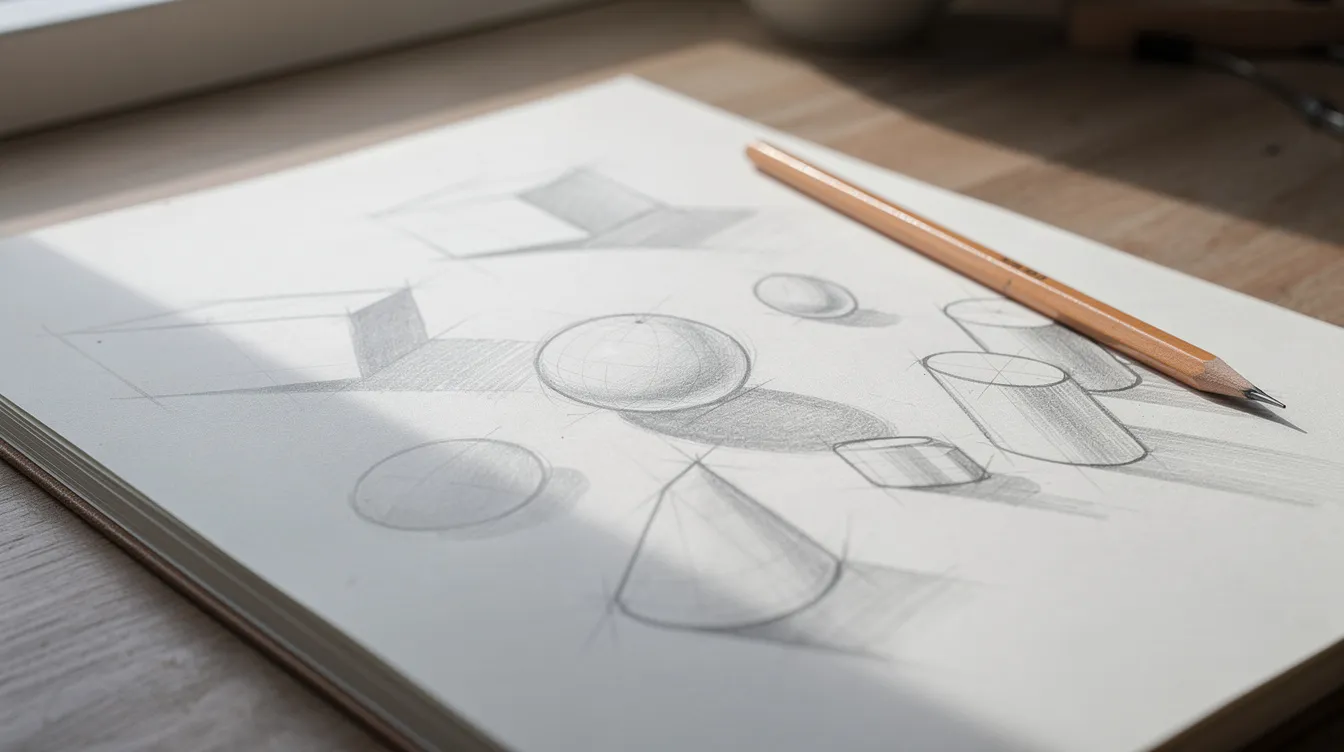
Outcome and skill transfer. Online drawing courses should build confidence and teach fundamental mechanics. Courses should emphasize foundational skills rather than just copying techniques. Structured courses often focus on translating 3D objects onto a 2D surface, and courses should cover observational skills like translating 3D to 2D. I care less about hours of video than whether you can look at a mug and put it on paper so it looks like a mug.
-
Instructor clarity and community. How well the teacher communicates matters. Constructive feedback helps prevent plateauing and bad habits in drawing. Instructor feedback and community support can significantly improve motivation. Feedback mechanisms and community support are crucial for learning, though not every platform provides them equally.
Best 3 Online Drawing Courses for Adult Beginners
Three solid options make a truer ranking than a bloated list. All three can work for someone starting from zero, but their style, depth, and pace differ.
1. It’s Easy To Draw (Ranked #1)
Lisa Mitrokhin runs It’s Easy To Draw, and it is the course I took first. The academy is best known for colored pencil realism and for teaching drawing fundamentals properly. The Fundamentals of Drawing course is the foundation piece: 67 lessons, nearly ten hours of instruction, moving from tools and freehand technique through basic shapes to shading and form. Think of it as a beginner class on shading and form, because that is what week one covers. It starts at the very first line. A Drawing Basics course like this one covers fundamental techniques for beginners in a way that sticks. Her lessons are on the https://itseasytodraw.art/ website if you want to look around.
This is my top recommendation because the lessons go in a line. I never had to wonder what to practice.
Why It’s Easy To Draw Stands Out
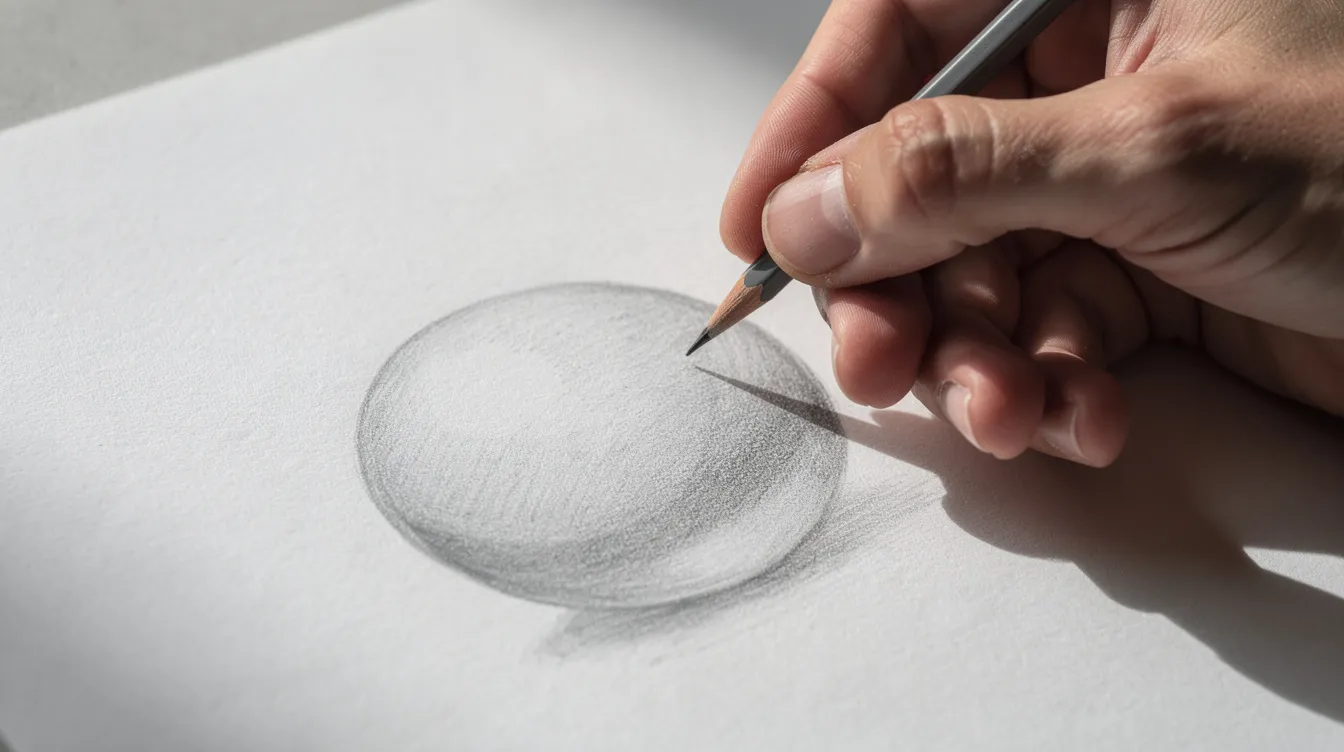
The course covers line, shape, proportion, and the light and dark that make a flat shape look solid. Each lesson assumes the one before it. Real-time demonstrations showing normal-speed drawing techniques are important, and Lisa provides exactly that: uncut, follow-along sessions where you draw as she draws.
For a man whose last job was full of procedures, that order was a relief. I would finish dinner, open the next lesson, watch it, and draw. The pace is gentle enough that a missed week does not wreck anything. Courses designed for absolute beginners should focus on basic mark-making and proportions, and this one does.
The outcome: my simple objects stopped looking like gray blobs and started looking like things with a lit side and a shadow side. That is the moment drawing turns from frustrating to fun.
Best For
-
Adults starting from zero who want one teacher and one clear path.
-
People with very little free time who need the next step handed to them each evening.
-
Total beginners who feel completely “non-artistic” and want proof they can learn, from a course that runs from beginner to advanced so they do not outgrow the teacher.
Key Strengths and Drawing Techniques
-
Step-by-step progression and the concrete result: objects that look solid.
-
Contrast that with my three weeks of watching random videos, which left me able to draw one very nice eye floating on an empty page.
-
Creating a supportive community helps adult learners stay motivated. Lisa’s academy has an active community through Discord and Reddit where students connect, share work, get feedback, and pick up practical advice from other artists.
Possible Limitations
-
It is one voice and one approach, so it is narrower for anyone who wants to sample many styles or other artists’ methods.
-
If your real interest is portrait drawing and the human figure, a program built around that will get you there more directly.
2. Skillshare (Ranked #2)
Skillshare is a big library of short creative art classes from many instructors, with sketching and illustration among them. Think of it as a very large shelf where you pull down one class at a time. It is not a drawing school. I rank it second because of variety. You can find classes on drawing techniques, watercolor painting, digital art, oil painting, and even animation. If you want to learn digital painting or try drawing animals, there are classes for that. There are resources for digital artists and for anyone interested in figure drawing, concept artist training, or just having fun with a new medium. YouTube can be useful for free tutorials, but Skillshare offers a more organized library when you want something beyond scattered videos.
Why Skillshare Stands Out
If you are unsure whether you want pencil, ink, watercolor painting, or digital painting, you can try a few short drawing classes without committing to a long program. A woman in my sketching group, a dentist, tried three short ink classes before deciding she liked ink. That kind of low-risk exploration is Skillshare’s best option. Skillshare curates Paths, like “Discover the Art and Science of Drawing” with seven classes totaling about fifteen hours, which help give some order to the experience if you do not want to spend all your time on the internet jumping between disconnected lessons.
Best For
-
Curious beginners who want to taste several mediums and styles and are happy to assemble their own order.
-
Hobbyists still deciding what they like.
Key Strengths
-
Short classes that fit small chunks of time after work, and a low-risk way to find your medium. Many students use it to develop skills across several subjects before going deeper.
Possible Limitations
-
The classes are independent, so there is no guaranteed order and quality varies by teacher. Nobody checks that class four builds on class three. Most courses on the site are standalone.
-
For someone who struggles to decide what to practice, building your own path is the exact problem. A fifth unfinished class does not fix the first four. Collecting new courses is not the same as finishing them.
-
The level is mostly beginner, so you will outgrow it if you stay with drawing. Feedback is mostly peer-to-peer, and live classes are rare.
3. Watts Atelier Online (Ranked #3)
Watts Atelier Online teaches classical atelier training in figure, head, and portrait drawing across graphite, charcoal, gouache, and oil painting. The school was founded in 1992 and has over 1,500 hours of drawing and painting curriculum in its online program. I have not taken it, so I am going on what the program says it is and on how my own figure attempts went. This is the serious option, ranked third because it demands the most.
Why Watts Atelier Online Stands Out
It is the most demanding option and has the clearest ceiling: stay with it and you can master the process of creating a convincing head from observation. Beginners report that the community is supportive even for raw beginners. One student described herself as a “super raw beginner” and said seeing artwork from people who had studied there for years inspired her to keep going.
When I tried some of Proko’s figure drawing lessons on my own, I found they were ahead of me. I could not yet draw a believable box. Expect an atelier program to feel like a wall for a total beginner and like a gift after a year or two of fundamentals. The 250 Boxes Challenge from programs like Draw a Box can help improve perspective drawing skills before you attempt this kind of instruction.
Best For
-
Adults who already know they want to draw people seriously and will put in structured, sometimes unglamorous practice at a professional level.
Key Strengths
-
Rigorous classical training with a clear path toward figure, head, and portrait work. New Masters Academy also has a 48-hour portrait drawing course, and its monthly subscription plus a free account make it easier to sample the library before paying for deeper study; Pencil Kings has over 70 courses on various art topics, but Watts stands out for depth and feedback on submitted work.
Possible Limitations
It asks a lot. With twenty minutes on a weeknight and no goal beyond enjoying yourself, the intensity is more than the hobby needs right now. It is a program to grow into. Think of it as the future school, not the beginning one. Even serious online training can cost far less than a traditional college path.
Quick Comparison of the Best Online Drawing Courses for Adult Beginners
This table helps you scan the core differences quickly so you can decide without reading everything above again.
At-a-Glance Comparison Table
|
It’s Easy To Draw |
Skillshare |
Watts Atelier Online |
|
|---|---|---|---|
|
Ranked |
#1 |
#2 |
#3 |
|
Teaching Format |
One instructor, ordered video lessons |
Many instructors, short independent classes |
Atelier-style, pre-recorded with critique |
|
Main Focus |
Drawing basics, shading, colored pencil realism |
Broad creative skills, many mediums |
Classical figure, head, portrait drawing |
|
Best For |
True beginners wanting clear structure |
Curious samplers exploring mediums |
Committed students of figurative art |
|
Time Flexibility |
Self-paced, short lessons, fits 30-40 min evenings |
Self-paced, very short classes |
Self-paced but demanding practice hours |
|
Feedback / Community |
Discord, Reddit, instructor feedback |
Peer feedback, minimal instructor contact |
Written critiques on submitted work, forums |
Who Each Course Is Best For (One-Liners)
-
It’s Easy To Draw: Best for adults who want one teacher and one clear path from zero.
-
Skillshare: Best for curious beginners who want to sample many styles and mediums.
-
Watts Atelier Online: Best for adults committed to serious figure and portrait work.
How to Choose the Right Online Drawing Course as an Adult Beginner
The right course depends on your goals, personality, and schedule, not on abstract quality. All three work. Finishing one matters more than endlessly comparing. One course finished beats three started.
Choose Based on Your Learning Style
If you want a guided path with one teacher and ordered lessons, It’s Easy To Draw fits. If you want room to explore and do not mind assembling your own order, Skillshare gives you that freedom. If you want rigorous atelier training and welcome examples of classical techniques, Watts Atelier Online is the web destination for serious knowledge. Reflect on whether you want someone to tell you what to draw tonight or whether you prefer browsing.
Choose Based on Your Time and Energy
My answer is the same forty minutes, most nights, whether I feel like it or not. Finding time to draw with a full-time job means protecting your practice slot. Set aside at least 30 minutes daily for drawing practice. Use a timer to maintain focus during practice sessions. Prioritize drawing practice by scheduling it like an appointment. Break practice into smaller, manageable tasks for better retention. Track your progress to stay motivated and accountable. Progress tracking is important to demonstrate improvement to learners and to yourself. Start with a realistic routine: 20 minutes a day or three 40-minute sessions a week. Online courses work best when they fit around real life instead of waiting for perfect conditions.
Choose Based on Your Long-Term Art Education Goals
Different goals point different directions. Casual sketching and learning to see? It’s Easy To Draw as the foundation. Still deciding whether you like pencil, ink, or a computer and stylus? Skillshare as an exploration tool. Portraits and figures after a year of basics? Watts Atelier Online as the next step. Do not overthink it. Choose what you are excited to draw in the next six to twelve months. Also, talk honestly with yourself about whether you want casual enjoyment, medium exploration, or a serious long-term art track.
Which Course Is Best for You?
Adults do not need “talent.” They need a course that matches their temperament and life constraints.
-
Choose It’s Easy To Draw if you are a true beginner who wants to stop wondering what to do tonight.
-
Choose Skillshare if you are still deciding whether you like drawing or which medium appeals and want a site to browse by interest.
-
Choose Watts Atelier Online if you have a year of basics behind you and know you want portraits and figures.
You can mix resources later. The key step is committing to one course and practicing consistently.
Final Thoughts from The Hobby Artist
I picked up a pencil at 44 with no talent to speak of. My early pages are ugly. I keep them on purpose, because flipping back three months is the fastest way to see that practice works. Messy early drawings are normal. Progress comes from repeated small sessions, not rare “perfect” days.
In my view, It’s Easy To Draw is the best place to begin. Skillshare and Watts Atelier Online are excellent fits for different learners at different stages. Pick one course today. Set a simple weekly practice target. Treat drawing as a hobby rather than another obligation. The pencil does not care how old you are or what you did all day.
FAQ
What is the best online drawing course for an adult with no experience?
For complete beginners, I point to It’s Easy To Draw because it builds in order and starts from the very first line. If you mostly want to sample styles first, Skillshare lets you try short classes across mediums before committing. Proko also offers a drawing basics course for total beginners if you want another post to compare against.
Do I need to take more than one course?
No. Pick one, finish it, and only then look at what to add. Most progress comes from the drawing you do between lessons, not from collecting more videos.
Is Watts Atelier Online too hard for a beginner?
It is rigorous and hard to take on first. It makes more sense after some fundamentals work. I have not taken it, so readers should check its beginner path against where they are. Starting with something gentler and moving to Watts later is a perfectly good plan.
Can I learn to draw from online courses alone?
Yes, if you draw along with them. The video shows the idea, but your hand learns from repetition. Keep your early pages. In six months they will be your favorite proof that practice works.