
I picked up a pencil at 44 with no art background and no talent to speak of. Two years later I can draw a coffee mug that looks like a coffee mug. That progress came mostly from online drawing classes for adults, and I want to share what I learned about choosing them, using them, and not quitting halfway through.
Why I Recommend Online Drawing Classes for Adults
Drawing is a skill you can master at any age. If you are wondering whether it is too late to learn to draw, the answer from both research and my kitchen table is no. About 11.8 percent of U.S. adults took an art class in 2022, up from 9.5 percent in 2017, and people in their fifties and sixties are still joining at meaningful rates.
Online drawing classes are highly flexible for busy adult learners. They help you explore artistic styles and personal creativity on your own schedule, and they can improve cognitive fitness and visual-processing skills. Drawing helps reduce stress and improve mental health. I did not expect that, but forty minutes of shading a pear shifts my brain into a flow state that nothing on a screen replicates.
My first three weeks were random YouTube videos that left me with one nice eye floating on an empty page. A structured online course fixed that by giving me a sequence. Massive open online courses exist for art, but quality varies wildly from teacher to teacher. Aim for progress, not perfection.
How I Would Choose Online Drawing Courses
Compare formats, check the teacher’s experience with adult beginners, and make sure lessons follow a clear progression with real demonstrations. The format of online drawing classes affects engagement and motivation, so my test is simple: watch a free preview. If I cannot stand the teacher’s voice or pace, I will not finish. If age is your worry, read my answer to is it too late to learn to draw.
Recorded Lessons or Live Art Classes
Recorded lessons suit unpredictable schedules. I watch at 8:30 on a Tuesday in my socks. Participants can learn at their own pace with lifetime access to replay what they missed. Live classes give real-time feedback from instructors and accountability, but only on the teacher’s clock. Online classes offer global participation from anywhere. The Art Studio NY, for example, offers live online art classes globally for students who want that in-person energy from a remote setup.
Free Resources or Paid Online Courses
You can learn drawing basics through free online classes. YouTube offers numerous free drawing lesson videos. ArtyFactory provides free online art lessons for beginners. DrawingCoach.com features free drawing classes with step-by-step instructions. Toad Hollow Studio offers free drawing lessons in text and video formats. DrawSpace has dozens of free illustrated drawing lessons available.
Start free with a sketchbook and a library book for a few weeks. Pay once you want a teacher’s plan and practice assignments that stop you jumping between videos. Many online courses offer lower costs compared to traditional art classes, so the investment is modest.
The Best Drawing Classes for Different Skill Levels
Online drawing courses are available for all skill levels. Beginner drawing classes cover the same range. Match the class to your honest level. A great class aimed at the wrong level is wasted money, as I learned the hard way.
Online Drawing Courses for Complete Beginners
Beginners should prioritize courses with foundational mechanics and structures. Absolute beginners benefit from step-by-step follow-along exercises. If lesson one is portraits, keep looking. Basic drawing classes include pencil, ink, and colored pencil techniques. Courses should include step-by-step instructions and practical drawing exercises. Art classes should progress from simple concepts to more challenging techniques.
Drawing Classes for Returning Artists
If you are restarting after a long break, pick lessons that rebuild confidence gradually with manageable practice expectations. Intermediate artists should seek technique-focused workshops or critiques to sharpen what they once knew.
Advanced Online Drawing Courses
Advanced courses cover observation, anatomy, and perspective. They become appropriate only once you can draw a believable box. Watts Atelier charges $99 per month for figure drawing courses at this level. Drawing America has over 50 online drawing courses available across topics and levels for people ready to enter deeper study.
What I Would Learn First
Observation and proportion come first, with simple accuracy exercises. These foundations are what later give you creative freedom.
Essential Skills to Learn to Draw
Line control through short daily exercises, then form through construction studies, value on simple still lifes, and perspective with everyday objects. Drawing encourages mindfulness by allowing focus on shapes and textures, which is a bit of a bonus you do not expect.
Choosing a Drawing Medium
Pick one medium. Pencil on inexpensive paper beats digital for most beginners, who do not need to compare tools yet. Courses can include mediums like watercolor painting, acrylics, and digital art, but save those for after you understand the basics.
How I Would Build an Adult Art Practice
Fit practice around full-time work with short, consistent sessions and a record of what you completed. Track your progress weekly to stay motivated. My twenty years of bookkeeping made keeping a log feel natural.
A Practical Weekly Drawing Routine
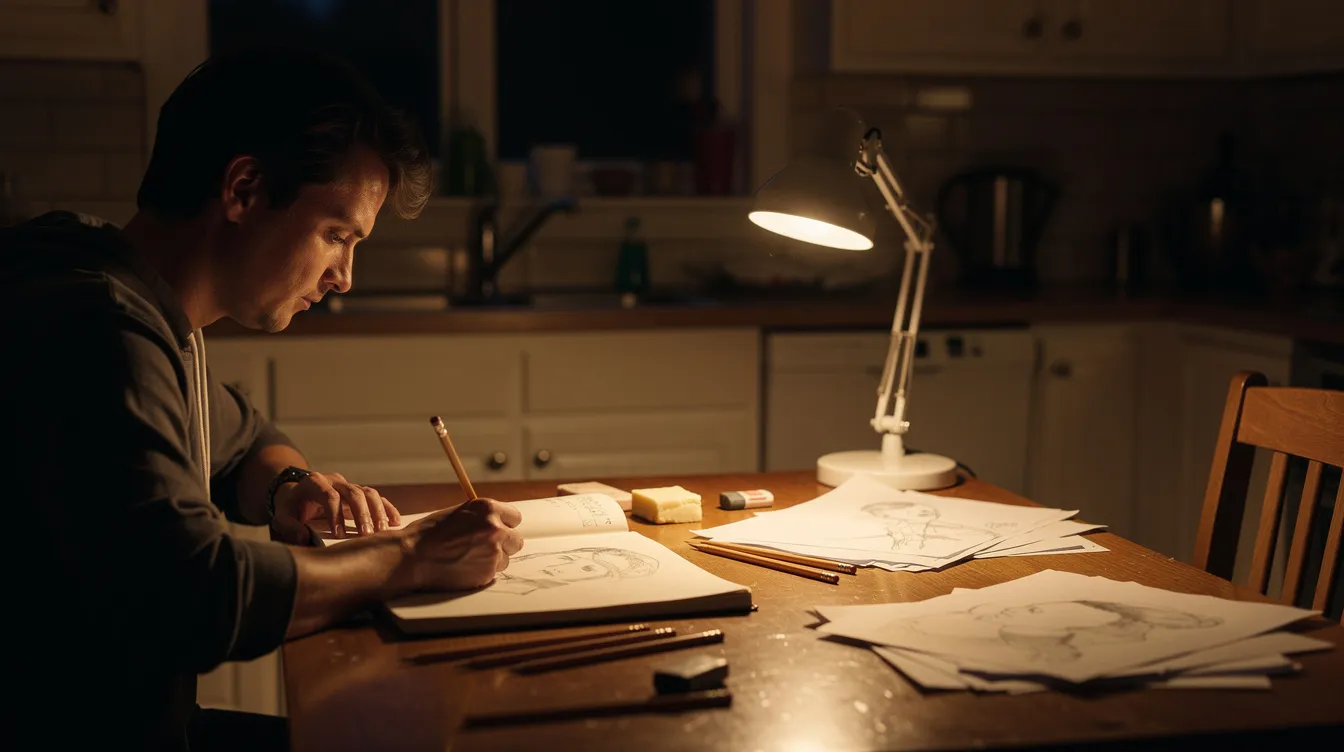
Set aside 30 minutes daily for drawing practice. Use weekends for longer drawing sessions of 2 to 3 hours. Drawing can serve as a screen-free wind-down routine. My slot is forty minutes at the kitchen table after dinner, and it never moves. One rest day a week keeps things from turning into a chore.
Sketchbook Practice for Busy Adults
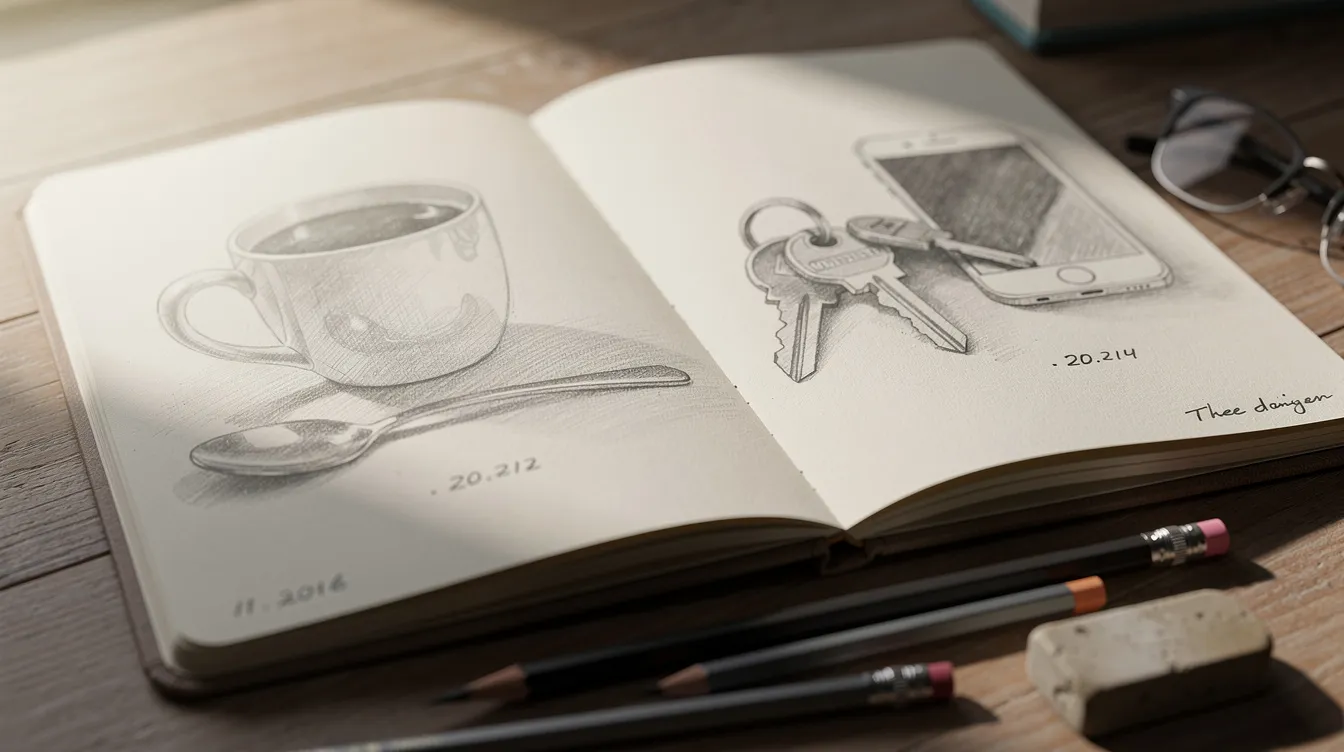
Carry one sketchbook, draw familiar objects in spare moments, and date every page. Incorporate drawing into your commute or breaks. Unfinished sketches still count as practice.
Staying Consistent With Drawing Practice
Shorten sessions in busy weeks and return quickly after missing some. Finding time to draw with a full-time job means protecting those minutes from distractions and treating them like any other appointment on your schedule.
How Online Course Structure Supports Progress
Structured online classes provide foundational theory and direct feedback. A sequence prevents random practice, and demonstrations followed by exercises create milestones. Each lesson assumes the last, so I never had to decide what to practice that night.
Features I Would Look For
Check previews, make sure demonstrations are easy to follow on any device, and confirm assignments match your level. Progress tracking is a bonus designed to keep you honest.
Feedback in an Online Course
Instructor feedback improves your drawing decisions, whether through group critiques or private notes. Submit work regularly and treat peer communities as optional support. Online drawing platforms often provide opportunities for connecting with communities, and many online platforms connect learners with like-minded adult artists. Online classes foster community engagement among artists, which helps when motivation dips.
Setting Up a Simple Home Drawing Space
Create a dedicated art space to minimize setup time. A comfortable table with good light is enough. No studio needed. Skip unnecessary purchases at the start.
Basic Materials for Drawing Classes
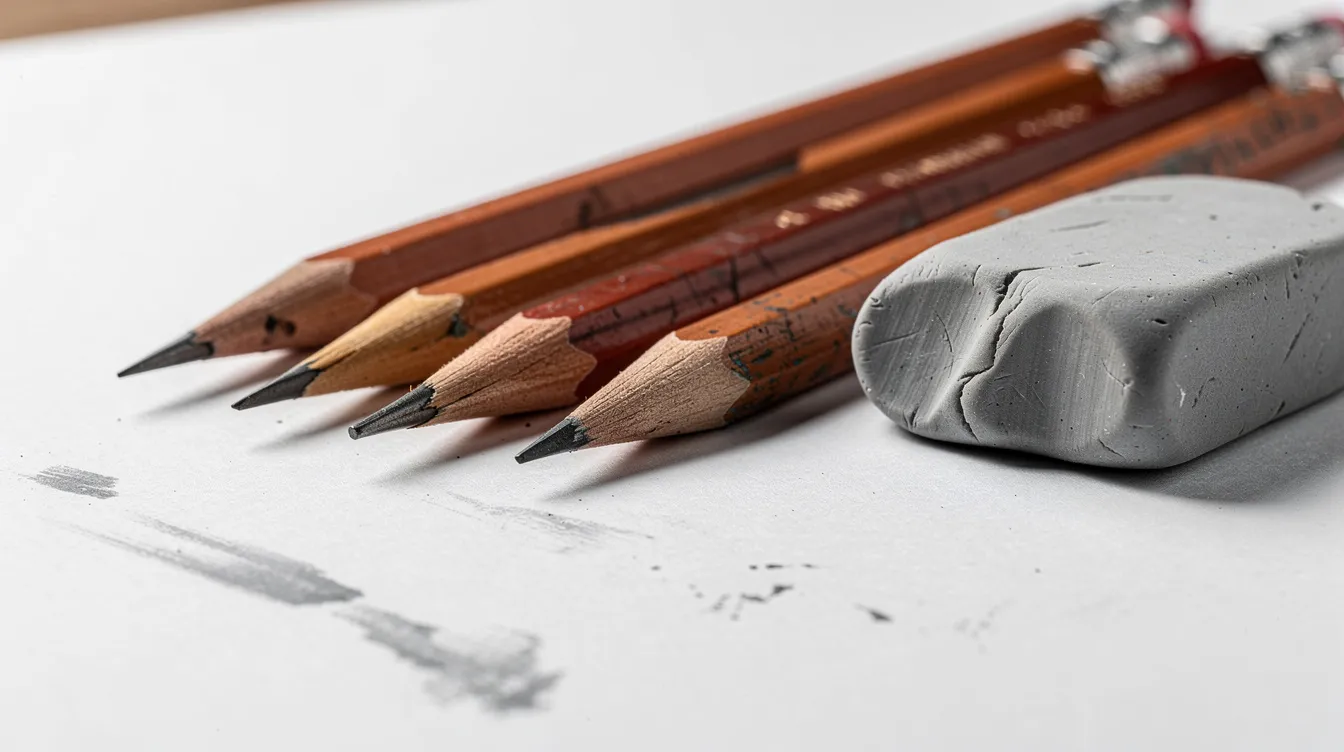
A reliable graphite pencil, paper suited to your medium, and a controlled eraser. Add other tools only when a lesson calls for them.
Technology for Online Art Classes
A laptop, tablet, or any computer works for viewing lessons on the web. Test the sound first and point the camera at your page if the class is live. Recorded lessons remove most technical pressure.
How I Would Compare Popular Learning Platforms
Compare platforms on teaching quality, organization, and instructor support, and tell broad libraries from specialist instruction. Do not sign up for a subscription before checking these. Visit their site and view sample content first.
Skillshare and Udemy
Skillshare offers a broad library on its website and Udemy sells individual courses. Find the beginner-friendly instructors and watch a lesson before committing.
Proko and Drawabox
Proko offers structured online courses for figure drawing with a lot of humor, but they were ahead of me. I could not draw a believable box, so the ribcage lesson was wasted, and that was my timing, not the teacher’s fault. Drawabox is construction-focused practice. Choose by temperament, and do not take demanding coursework without commitment.
YouTube and Independent Art Blogs
YouTube is great for targeted practice, but inconsistent instruction is hard to filter. Pair tutorials with a structured plan or you will just follow along without retaining techniques. Read comments to check whether other users found the instruction clear.
Common Problems Adults Face When Learning to Draw
Slow visible progress is frustrating, and copying tutorials alone limits understanding. Review your work instead of judging talent, and expect early drawings to be awkward. Online art classes reduce anxiety and boost self-esteem over time.
Lack of Time
Replace vague intentions with scheduled sessions, five-minute exercises in demanding weeks, and protected time away from distractions.
Fear of Making Bad Drawings
Imperfect drawings tell you something. Fill pages without erasing every mistake and practice privately before sharing. Online drawing classes promote a zero-judgment zone for adult learners, and a supportive learning environment reduces social anxiety in art classes. Do the assignment badly rather than skip it.
Losing Motivation
Draw subjects that matter to you and alternate study with fun. Flipping back to my week-one page showed me I had not stood still. A retired nurse who is a member of my sketching group asks about my course monthly, which helps more than any app. That journey from bad to less bad is the whole point.
My Step-by-Step Plan to Learn to Draw Online
Start with foundations before complex subjects, review after each stage, and adapt the plan to your schedule. How long does it take to learn to draw? Expect months of regular practice, not thirty days to master anything. For a longer answer, read how long it takes to learn to draw.
First Month of Drawing Classes
Week one: lines. Week two: simple forms. Week three: basic shading. Week four: review and check what improved.
Months Two and Three
Add perspective with household objects and observational sketches from daily life. Compare recent drawings with earlier ones. The improvement is real even when it feels slow.
Continuing Beyond the Online Course
Choose a personal subject and create independent projects, revisiting lessons when progress stalls. A class is a ramp, not the whole road. Your future work depends on what you do after the last lesson ends.
Questions I Would Ask Before Choosing an Online Course
Do beginners need experience? No. How much weekly time? Less than the video length suggests. Do supplies need to be expensive? No. Can adults learn without live instruction? Yes, if they do the exercises.
Can I Learn to Draw With Limited Time?
Short sessions are worthwhile. Choose flexible access and tie practice to existing routines.
Should I Choose Live or Recorded Classes?
Live suits people who want accountability. Recorded suits flexibility. Let your schedule decide.
How Will I Know If I Am Improving?
Compare drawings across months, track completed exercises rather than finished artworks, and measure against personal goals.
My Final Advice for Choosing Drawing Classes
Begin with one suitable online course and finish it before looking at another. Practice consistently before switching platforms, since comparing syllabi forever is its own way of not drawing. Confidence follows repetition. Join in, break through the awkward stage, and start today. If something here helped, or did not, I would like to hear about it. Post a question or send me a note. Questions about where to get started are my favorite kind.
FAQ
Can you really learn to draw from online classes?
Yes, if you practice what they teach, because repetition teaches your hand, not the video. Everyone in my sketching group who improved did the exercises. A 2025 study found measurable drawing skill gains in adults aged 65 to 87 after just ten self-guided online lessons.
Are online classes better than in-person ones?
They are different. Online lets you pause and fit around a job, while in-person gives feedback in the moment. Some people combine both.
How long does an online drawing class take to finish?
Many beginner courses run several weeks to a few months at a lesson or two a week. Going slower is fine if you keep going.
Is it worth paying for a class when there is free material online?
Start free. A paid class mostly buys order and a teacher with a plan, which is worth it if you have been stuck jumping between videos.